Web Sources
 Covid19CriticalCare.com
- great information on Covid as well as other current health topics
BeyondMTHFR.com
- information on methylation as a key body process and source of chronic disease
- Hits: 716

|
Listen on your favorite podcast app |
|||
 |
 |
 |
 |
Covid19CriticalCare.com
- great information on Covid as well as other current health topics
BeyondMTHFR.com
- information on methylation as a key body process and source of chronic disease
Starting fresh this year? George and Keith from Restore Wellness talk with Brian Thomas and share a powerful approach that flips conventional resolution wisdom on its head. Instead of fixating on specific targets, like the number on your scale, they suggest focusing on identity-based goals - becoming someone who can walk five miles without fatigue or climb stairs with ease.
They challenge the old food pyramid and applaud the recent revisions, arguing that the old model was inverted due to commercial interests rather than nutrition science. Their recommendation? A protein-rich diet mirroring our ancestral past, with 1.2 to 1.6 grams per kilogram of body weight daily.
Listen to discover how taking personal responsibility for your health can transform your life.
#YouOwnYourHealth
>Bottom line: You are the miracle cure your are looking for!
Diet, exercise, hydration, sleep and attitude bring wellness
Read more …20260109 - Brian Thomas
Keith and Jimbo from RestoreWellness.org tackle the annual cycle of failed resolutions with a refreshingly different approach. Instead of fighting your bad habits head-on, gradually build new positive ones that naturally crowd them out. Write down your goals, but here's the twist—focus less on *what* you want to accomplish and more on *who* you want to become. This identity-based thinking changes everything. (It's about being a person who exercises, not just someone trying to exercise.)
Read more …20260105 - Become Who You Want To Be
David shares his profound journey from 20 years playing villains in Hollywood to becoming an authenticity advocate. Feeling empty despite external success, he discovered how we abandon our true selves to gain approval, creating distance from authenticity. David explains how childhood experiences create nervous system dysregulation that follows us into adulthood. He explains that most people operate at only 20% lung capacity, keeping them constantly stressed and reactive—a state we've somehow accepted as normal. Through four years of conscious inner work, addressing deep feelings of unworthiness and fear, David transformed his relationship with himself and discovered something powerful: authenticity attracts more genuine connection than desperate striving ever could.
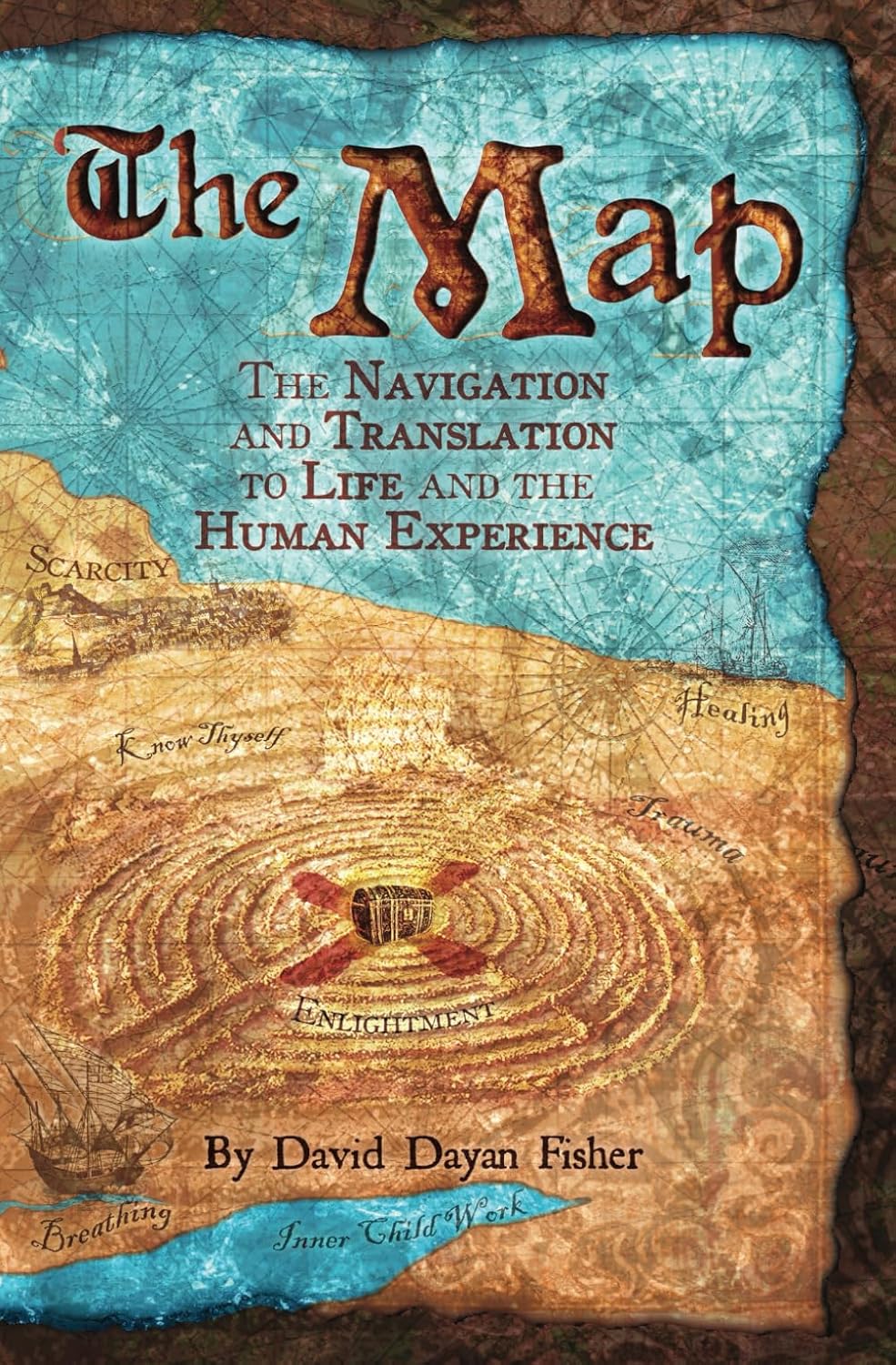
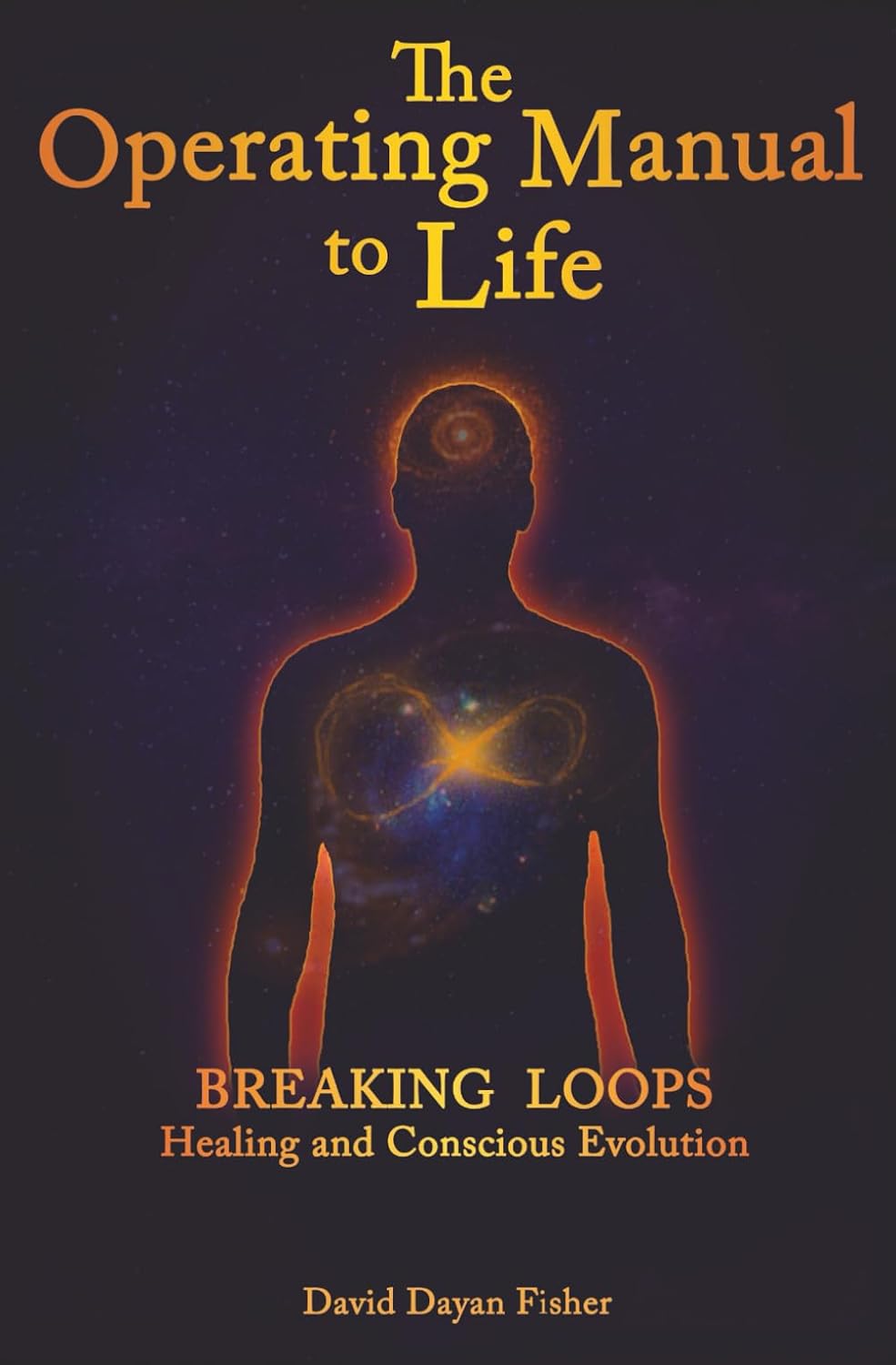
Check out David's books we mentioned:
In May 2024, Jim Collins discovered more than just a kidney tumor during what should have been a simple bladder check. Surgery to remove the tumor led to a diagnosis of pancreatic cancer. Jim refused chemotherapy and his son assembled a dedicated team including Keith Tenhundfeld and assistance from Professor Seyfried to tackle the metabolic approach to cancer. The focus? Starving cancer by reducing glucose, since cancer feeds on sugar. Eighteen months into this journey, the cancer is disappearing and even Jim's oncologist supports the non-conventional metabloic approach.
r